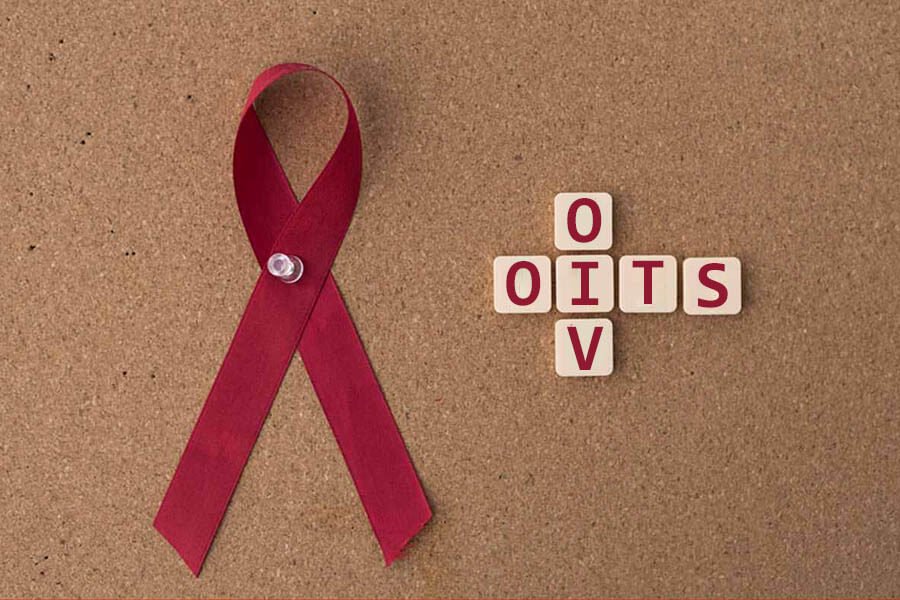
HIV/AIDS: Awareness, Prevention and Responsibility One of the most important factors in preventing HIV infection is having accurate information and taking responsibility for your health
HIV, or Human Immunodeficiency Virus, affects the body’s immune system. AIDS is the most advanced stage of HIV infection and can develop if HIV is left untreated. Today, thanks to modern antiretroviral therapy, people living with HIV can live long and active lives.
HIV is mainly transmitted through unprotected sexual contact, exposure to infected blood, the use of non-sterile needles or medical equipment, and from mother to child during pregnancy, childbirth, or breastfeeding.
However, HIV is not transmitted through handshakes, hugs, studying or working together, sharing dishes, coughing, sneezing, or insect bites. Understanding these facts helps prevent unnecessary fear, stigma, and discrimination.
Prevention includes practising safer behaviours, using sterile medical equipment, avoiding direct contact with other people’s blood, and getting tested for HIV when appropriate. Timely testing helps people take control of their health and, if necessary, begin treatment as early as possible.
Respect, support, and zero discrimination towards people living with HIV are also essential parts of the fight against HIV/AIDS.
Learn the facts about HIV. Take preventive measures. Get tested when appropriate. Take responsibility for your health and the health of those around you.
#HIV #AIDS #HIVPrevention #YouthHealth #HealthyLifestyle #KIUT