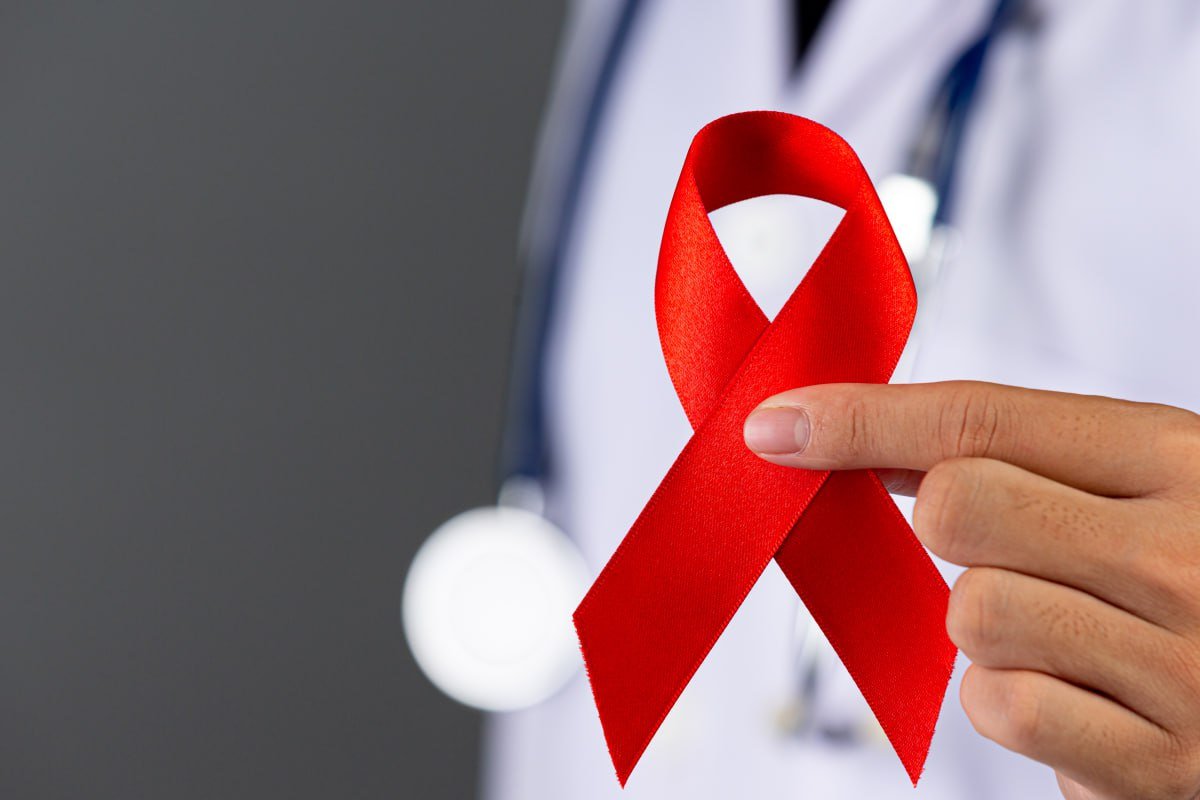
HIV and AIDS: Knowledge and Responsibility Save Lives Health is one of the most valuable aspects of human life.
Protecting it is especially important during youth, when the foundations of personal and professional development are being established. Human immunodeficiency virus (HIV) remains a major global public health challenge. Accurate knowledge about transmission, prevention, and modern treatment options enables young people to make informed decisions and take responsibility for their health.
HIV and AIDS: What is the difference?
HIV, or human immunodeficiency virus, attacks the body's immune system. AIDS, or acquired immunodeficiency syndrome, is the most advanced stage of HIV infection, which may develop if the infection remains untreated.
However, not everyone living with HIV develops AIDS. Modern antiretroviral therapy can effectively control the virus, protect the immune system, and enable people to live long, healthy, and productive lives.
An HIV diagnosis is therefore not the end of a person's future. Early diagnosis, appropriate medical care, and consistent treatment are essential.
What do the global statistics reveal?
According to the Joint United Nations Programme on HIV/AIDS (UNAIDS), approximately 40.8 million people worldwide were living with HIV in 2024.
During the same year:
1.3 million people acquired HIV;
630,000 people died from AIDS-related illnesses;
31.6 million people were receiving antiretroviral therapy.
These figures demonstrate that HIV remains a significant global health concern. At the same time, advances in treatment and improved access to healthcare have helped save millions of lives.
How is HIV transmitted, and how is it not transmitted?
HIV can be transmitted through certain bodily fluids. The main routes of transmission include unprotected sexual contact, sharing contaminated needles or syringes, unsafe medical procedures involving infected blood, and transmission from mother to child when appropriate preventive measures are not taken.
However, HIV cannot be transmitted through handshakes, hugs, studying in the same classroom, sharing meals or utensils, using public toilets, or mosquito bites.
Understanding these facts is essential not only for personal safety but also for preventing unnecessary fear, misinformation, and discrimination against people living with HIV.
What should young people know?
University life is a period of growing independence, new relationships, and important personal decisions. Students therefore need reliable medical information to protect their health.
HIV prevention includes the correct use of protection during sexual activity, avoiding shared needles and syringes, ensuring that medical and cosmetic procedures follow proper sterilisation standards, and undergoing HIV testing when appropriate.
If a person may have been exposed to HIV, immediate medical attention is essential. In certain circumstances, post-exposure prophylaxis (PEP) can reduce the risk of infection. PEP must be started within 72 hours of possible exposure, and the sooner treatment begins, the better.
Pre-exposure prophylaxis (PrEP) is also available for people at increased risk of acquiring HIV, following consultation with a healthcare professional.
Living with HIV does not mean living in isolation
One of the most important achievements of modern medicine is the ability to reduce HIV viral load to undetectable levels through effective antiretroviral treatment.
Scientific evidence confirms that a person living with HIV who consistently takes treatment and maintains a sustained undetectable viral load does not transmit HIV through sexual contact.
This principle is internationally recognised as U=U — Undetectable = Untransmittable.
People living with HIV have the right to pursue education, employment, family life, and active participation in society.
Stigma and discrimination, on the other hand, can discourage individuals from seeking testing, treatment, and essential healthcare services.
Knowledge is the strongest form of protection
A university is not only a place for academic and professional development but also an environment where students develop social responsibility, health awareness, and respect for others.
Educational discussions, meetings with healthcare professionals, preventive programmes, and access to reliable information can help students understand the risks associated with HIV and the measures available to protect themselves.
To protect yourself from HIV, you need to understand how it is transmitted. To respect people living with HIV, you must also understand how it is not transmitted.
Every young person should take responsibility for their health, seek medical advice when necessary, and treat others with dignity and understanding.
A healthy future begins not with fear or prejudice, but with knowledge, awareness, and responsible choices.