


Greenhouse gas emission reduction program
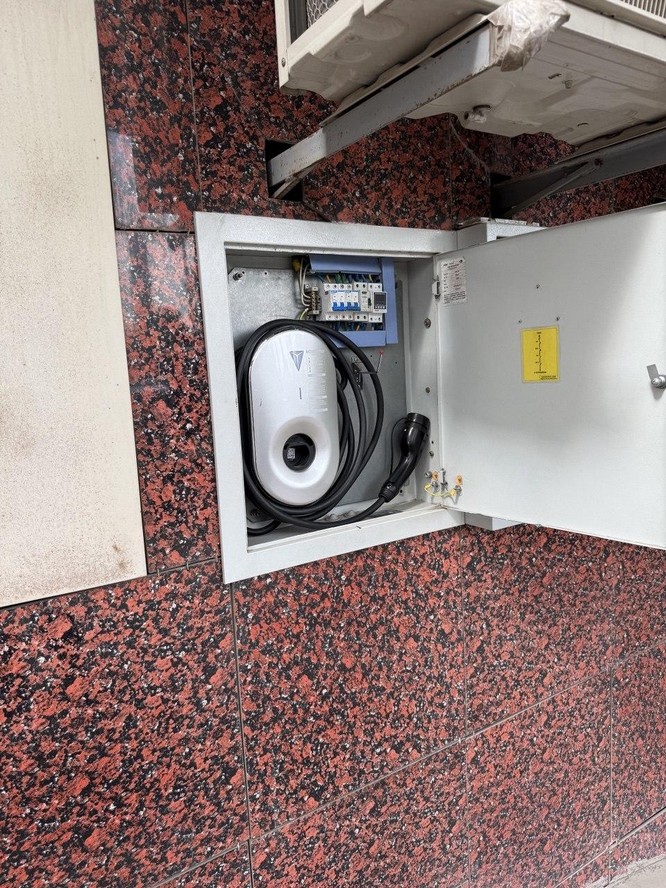
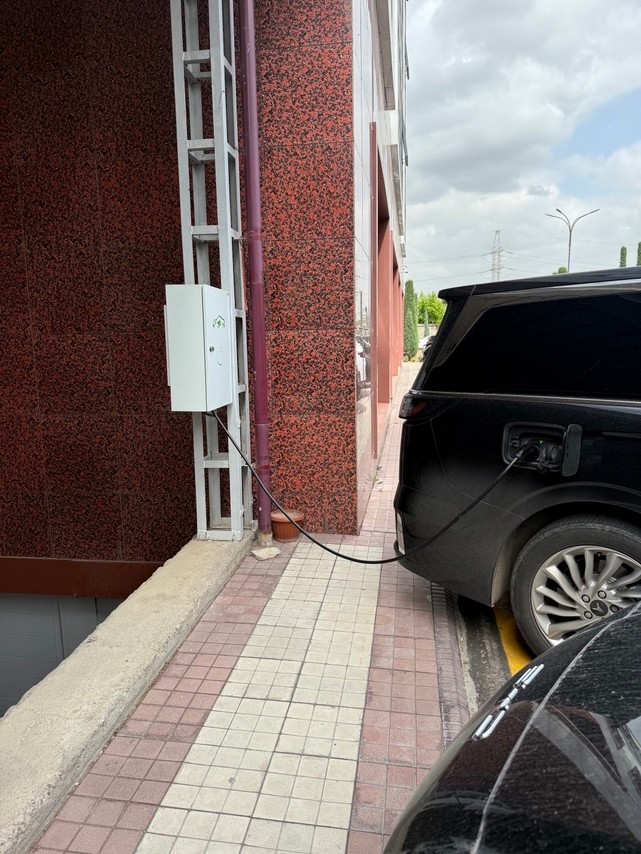
Charge parking
A paid parking system reduces the number of private vehicles entering the campus and encourages sustainable transport.
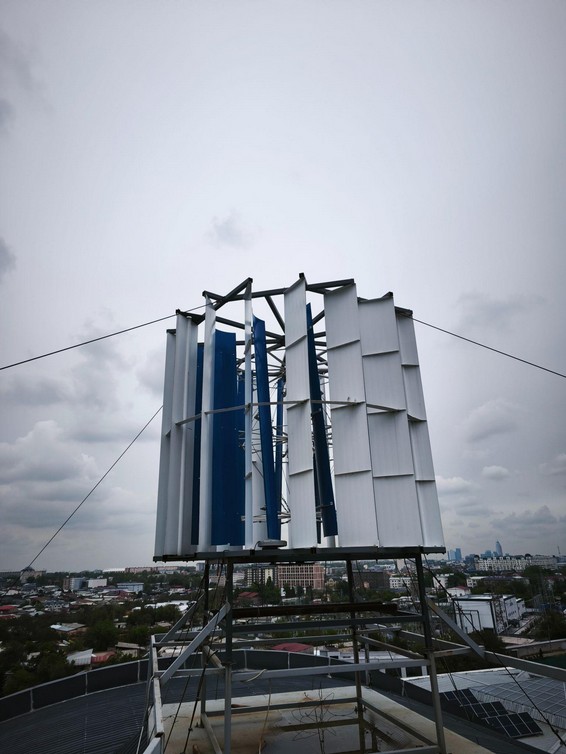
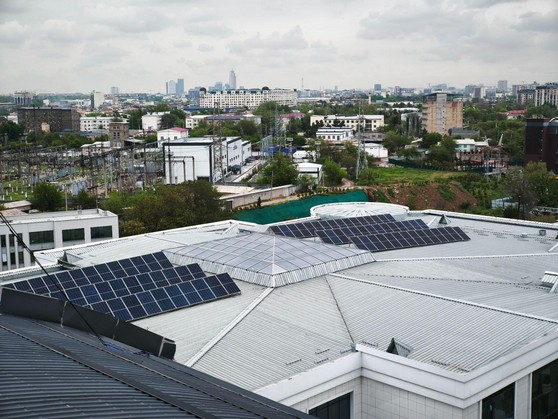
Renewable energy sources
Solar panels and other renewable energy technologies generate clean electricity and reduce dependence on purchased energy.
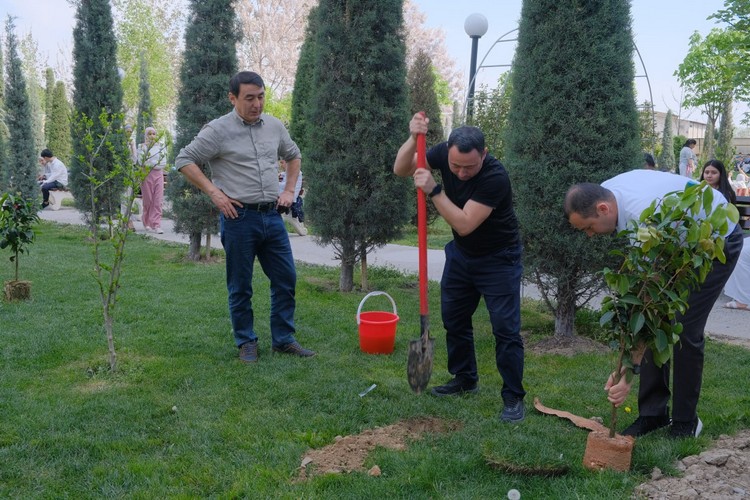
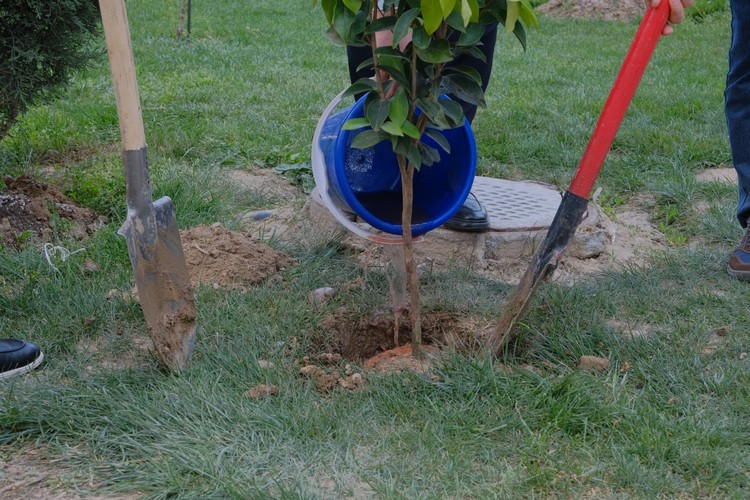
Tree planting
Trees are planted across the campus to increase green cover, improve air quality and absorb carbon.
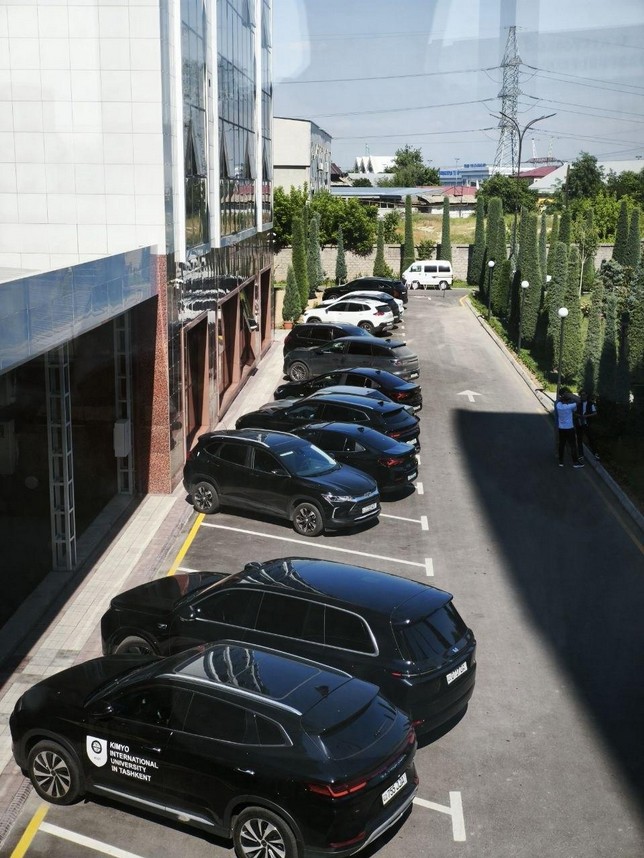
Green transportation
The university promotes environmentally friendly ways to travel, such as carpooling, cycling and low-emission vehicles, to reduce greenhouse gas emissions.
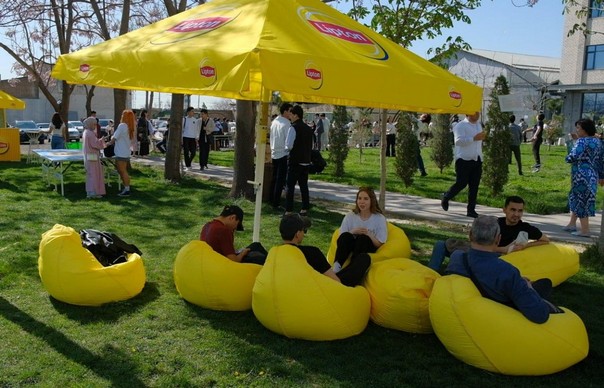
Green open spaces
Green open spaces are developed and maintained to make the campus healthier and support environmental sustainability.
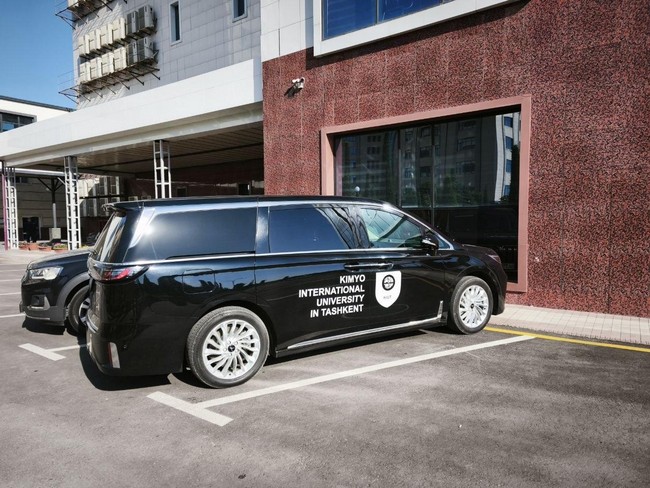
Green shuttle buses
Campus shuttle buses reduce individual car use and encourage students and staff to travel together.
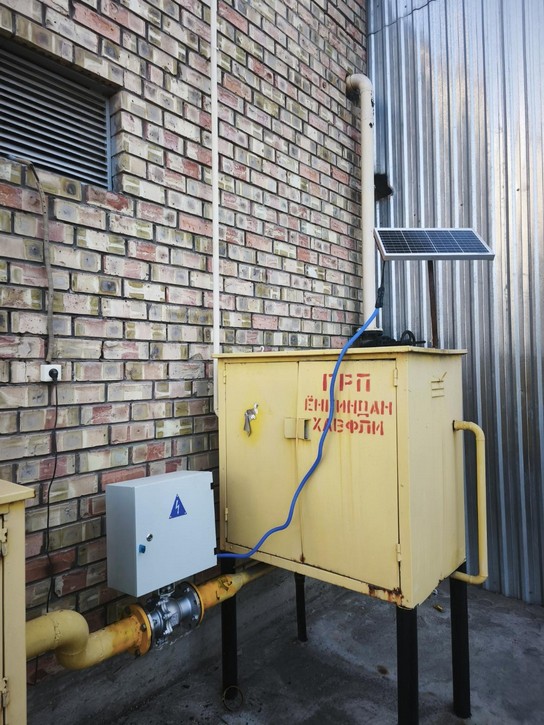
Smart gas pressure reducer
As part of its energy efficiency and smart campus initiatives, the university has installed a smart gas pressure reducer that regulates gas pressure and cuts unnecessary natural gas consumption. It optimizes the gas supply for heating and utilities, improving energy efficiency and reducing waste.
This technology supports smart energy management in campus buildings, lowers operating costs and reduces greenhouse gas emissions. It also supports the university's green building and greenhouse gas emission reduction programs.