


Use of energy-efficient appliances
The university uses several energy-efficient technologies and appliances in its buildings to reduce energy consumption, improve sustainability and make indoor spaces more comfortable. These solutions protect the environment while also lowering operating costs.
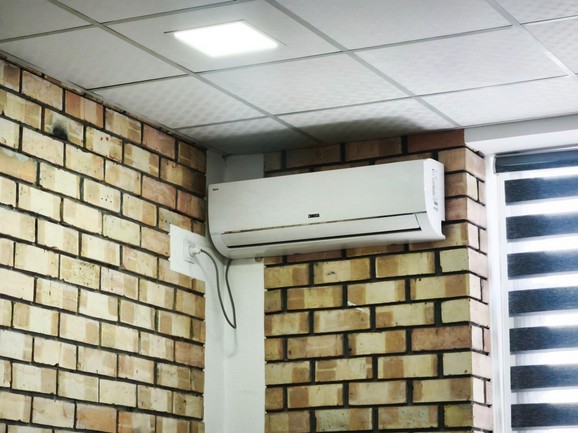
Energy-efficient inverter air conditioners
Inverter air conditioners consume less electricity than conventional air conditioning systems. They automatically adjust the compressor speed to the indoor temperature, cooling efficiently and avoiding unnecessary energy use.
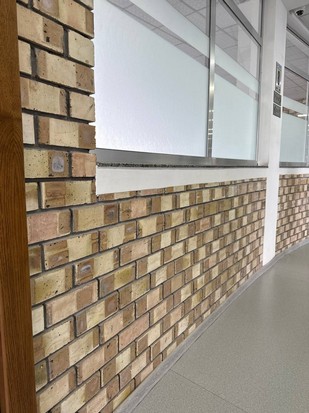
Perforated (hollow) bricks
Perforated or hollow bricks improve thermal insulation by reducing heat transfer between indoor and outdoor environments. This helps keep indoor temperatures stable and reduces the need for heating and cooling.
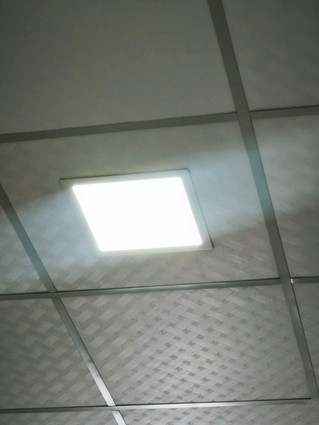
LED lights
LED lighting is highly energy-efficient and lasts longer than traditional lighting. It uses significantly less electricity while providing good illumination, making it a sustainable lighting solution.
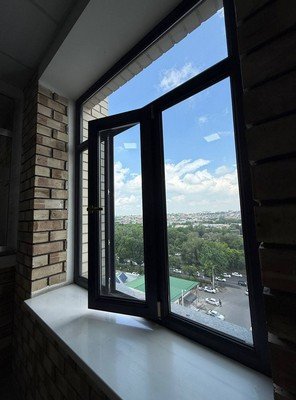
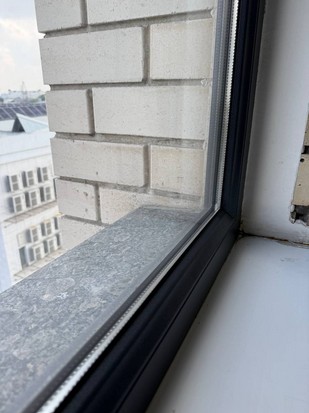
Insulated glass units
Insulated glass units minimize heat loss and reduce the impact of outdoor temperatures on indoor spaces. These windows improve thermal performance and comfort and reduce the load on heating and cooling systems.
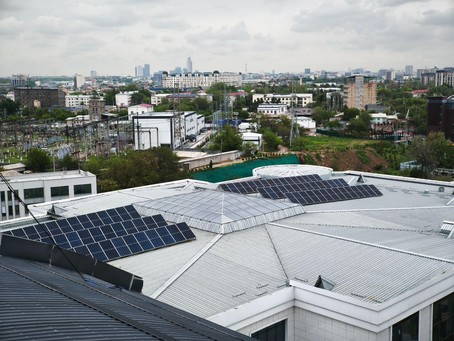
Solar panels
Solar panels generate electricity from renewable solar energy. This environmentally friendly technology reduces dependence on conventional power sources and supports sustainable energy production.
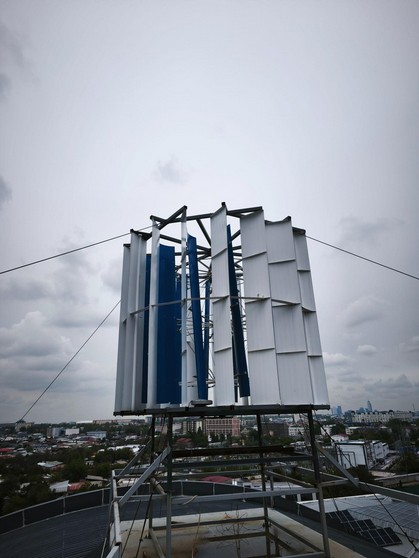
Wind generator
The wind generator converts wind energy into electricity. As a renewable energy source, it helps reduce carbon emissions and improves overall energy efficiency.
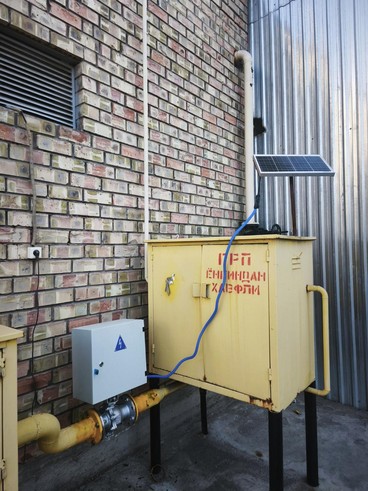
Smart heating system
The smart heating system automatically regulates indoor temperature according to environmental conditions and user needs. This intelligent control optimizes energy consumption and prevents unnecessary energy waste.
Share of energy-efficient appliances
| Appliance | Total number | Energy-efficient | Percentage |
|---|---|---|---|
| LED lamps | 7 500 | 7 500 | 100% |
| Air conditioners | 125 | 100 | 80% |
| Average percentage | 90% | ||