


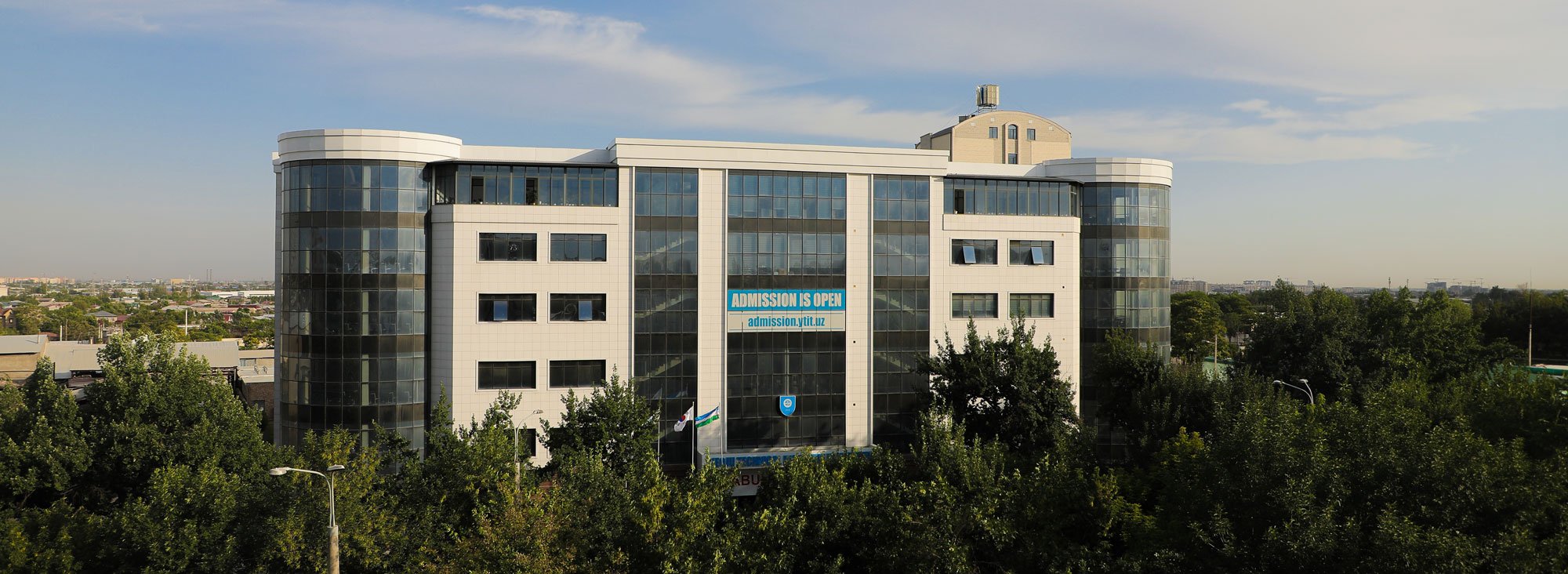
Academic Departments
KOREAN PHILOLOGY
After our country gained independence on December 30, 1991, South Korea was the first among the countries of the Asia-Pacific region to recognize the independence of Uzbekistan. Diplomatic relations between the two countries were established on January 29, 1992. Since that day, relations between Uzbekistan and South Korea in all areas have been successfully developing in a positive way.
Speaking about the relations between the two countries, one cannot fail to mention cooperation in the field of culture and education. Today, many Korean higher educational institutions are open in Uzbekistan, thousands of young people receive bachelor's and master's degrees. During such a period, Korean educational institutions, rapidly entering the territory of Uzbekistan, need qualified specialists in the Korean language. The task of Korean studies in our educational institution is to train qualified teachers of the Korean language, translators, specialists who speak Korean, and to train the necessary personnel for the state.
In 2019, the Faculty of Korean Philology was established at Kimyo Tashkent International University and many qualified specialists in the Korean language were trained.
In addition, classes in Korean philology are taught by qualified professors from Korea and local specialists.
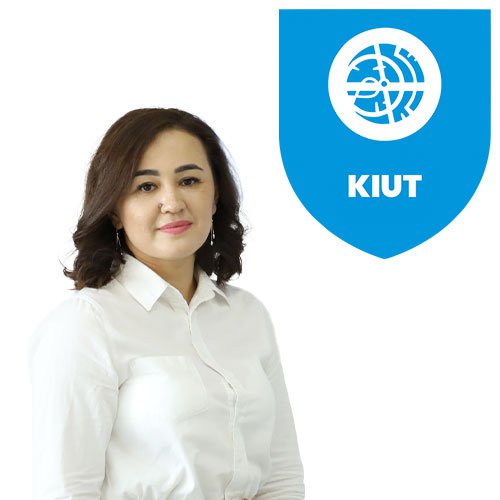
Durdona Ergasheva
Head of Chair
She has been working as the head of the Korean Philology Department at Kimyo International University in Tashkent since 2018. She teaches "Korean Grammar", "General Korean Language" and "Reading the Korean Language" for Korean philology students. Currently, she is conducting scientific research on the topic "Features of Realism in Korean and Uzbek Stories of the National Renaissance" (10.00.06 - Comparative Literature, Comparative Linguistics, and Translation Studies).
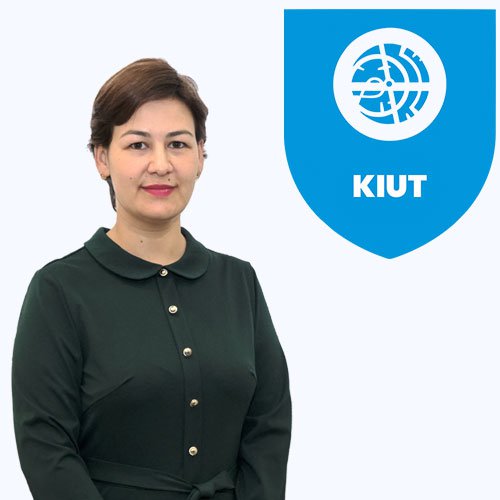
Elzara Bekirova
Senior Lecturer
Senior teacher at the department of Korean Philology. Has teaching experience of 7 years. Co-author of the textbook Business Korean. Teaches subjects like Korean Language, Basic Korean Grammar, Introduction to Teaching Korean, and Reading. At the moment, she is conducting scientific research work as an independent researcher for the degree of Doctor of Philosophy (PhD) on the topic "Linguistic Expression of Zoo Symbols in Korean Proverbs" (10.00.06 - Comparative Literature, Comparative Linguistics, and Translation Studies). Author of more than 10 scientific articles.
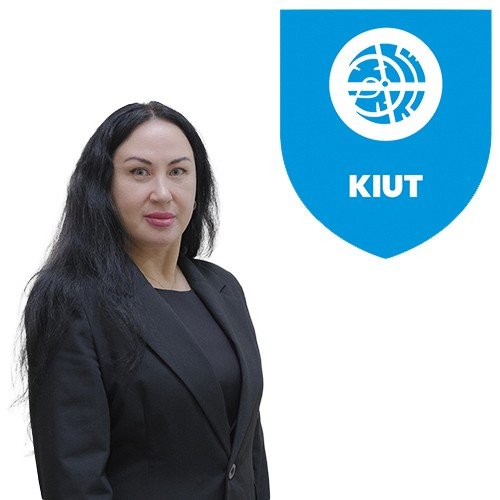
Lina Kim
Teacher
Lecturer at the Department of Korean Philology. Teaching experience: 13 years. Master's degree, graduate of Tashkent State Pedagogical University. Completed an internship at Pusan University. Specializes in teaching subjects such as Korean language, Basic Korean Language, Optional Korean language, and Introduction to Korean studies.
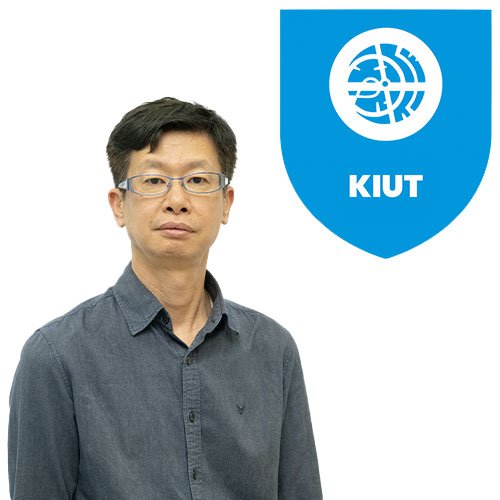
Jung Jae Yeon
Teacher
Teacher at the Department of Korean Philology. Conducts the subjects such as " Korean Language "," Teaching Method of Korean Expression", "Discourse and Conversation", "Foreign Language Acquisition Theory" and "Theories in Korean assessment". He graduated Master's degree in English education, Sejong University of South Korean. He has a Korean teacher's license.
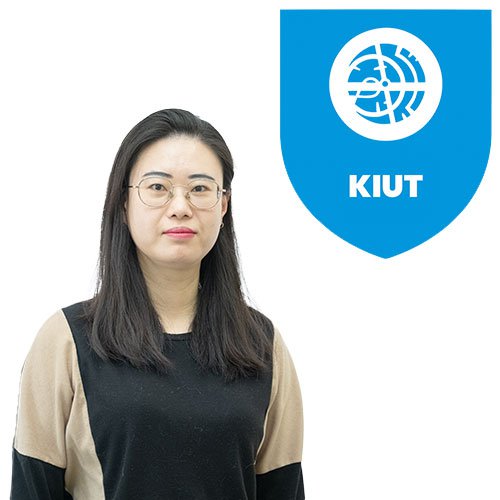
Won Soon Jae
Teacher
She has been a teacher at KIMYO INTERNATIONAL UNIVERSITY since September 2022. She finished university with a Chinese major and completed graduate school with a major in Korean language education for foreigners. She started Korean language education as a lecturer in October 2008, and worked once in China and twice in Vietnam. She have been working in Uzbekistan since October 2021. She taught all subjects of Korean language education and TOPIK 1 and 2 and taught liberal arts Korean, listening, tourism Korean, and Korean Chinese characters last semester at KIMYO INTERNATIONAL UNIVERSITY, and this semester she teaches reading, tourism Korean, and vocabulary.
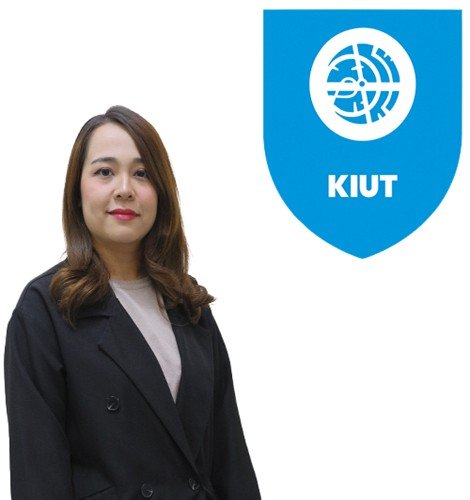
Shoira Nazarova
Teacher
Shoira Nazarova is a lecturer at Kimyo International University with five years of teaching experience. She holds a bachelor’s degree in Korean Philology and a master’s degree in Simultaneous Interpretation. In 2018, she was a recipient of the Hanyang Summer School grant and was awarded a prize in the QUIZ on Korea-Uzbekistan competition. In 2022, she completed an internship at Korea University. She specializes in teaching courses such as "Korean Language" and "Basic Korean Grammar."
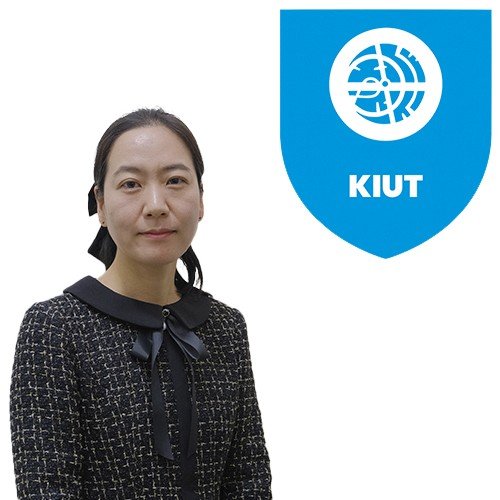
Park Eun Jy
Senior Lecturer
Since 2021, she has been working as a lecturer in the Department of Korean Language at Tashkent Kimyo International University. She teach ‘Korean grammar’, ‘Korean studies’, and ‘Korean language education practice’ to students in the Korean language department. Currently, she is conducting research on pronunciation education on the topic of ‘Vowel errors of Korean language learners in Uzbekistan’.
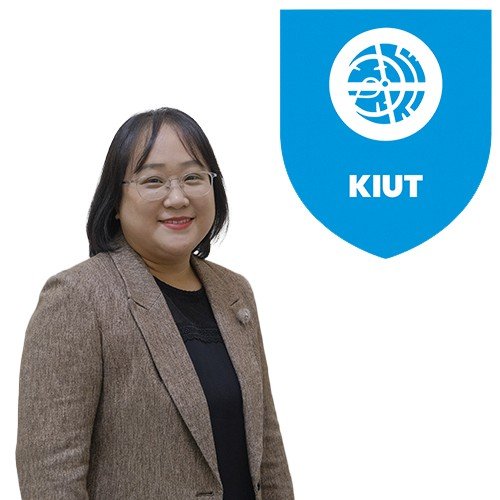
Jung Sun Ae
Senior Lecturer
Sun Ae has been working as a professor in the Department of Korean Language at Tashkent Kimyo International University since 2021. She teaches courses such as 'Korean Grammar,' 'General Korean,' and 'Korean Listening' to students in the Department of Korean Language. Currently, she is conducting academic research on the topic, "The Impact of Understanding Korean Culture on Korean Language Learning."
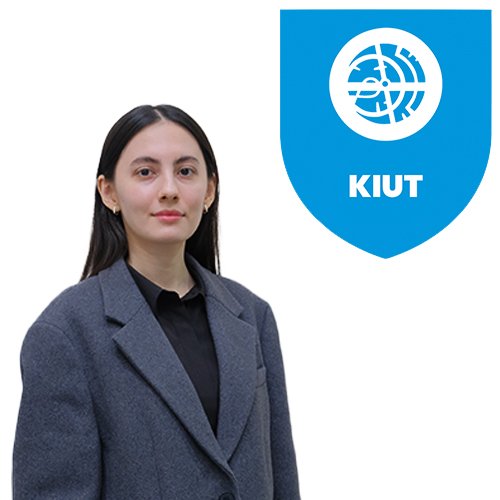
Abdujalilova Mutabarkhon
Teacher
Research interests: Korean language education, CEFR Mediation Domain. Scientific branch: Korean language education Biography. Since 2025, employed at Kimyo International University in Tashkent. In 2023–2025, a recipient of the Global Korea Scholarship (GKS); completed a master’s program in Korean Language Education at Hankuk University of Foreign Studies (HUFS), Republic of Korea, and earned a master’s degree. Master’s thesis title: “A Study on the Application of the CEFR Mediation Domain in the Korean Language Curriculum: Focused on Korean Learners in Uzbekistan.” Completed an Exchange Student program at Chung-Ang University (Republic of Korea). Bachelor’s graduate of the Uzbekistan State University of World Languages. Currently conducting research on “A CEFR Mediation-Competence–Based Approach in Korean Language Education: A Case of Learners in Uzbekistan.”
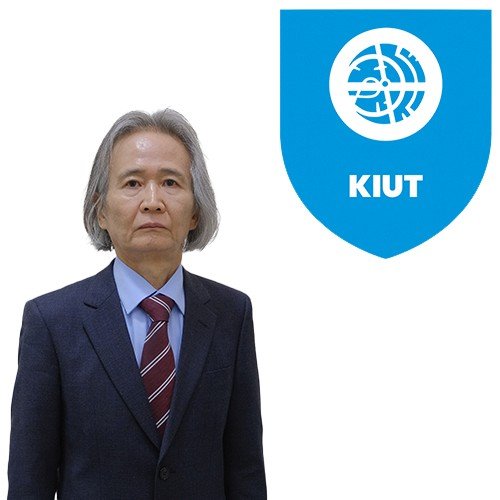
LHO TAEGEUN
Professor
∙ Education Doctor of Economics Master of Economics Master of Korean Language Education Completion of MBA ∙ Work Performance 『Online Learning for Distance Learning Learners Educational Service Quality affects Learners Analysis of Impact on Satisfaction』 May. 2023 『Arabic and Korean Consonant Phonology Study Phenomena-based Pronunciation Study』 Feb. 2015 『Analysis and Education Plan of ‘이/가’ and ‘은/는’ for Arabic-Speaking Korean Learners』 Jul. 2015 『Analysis of the Current Status of Korean Language Learning by Married Immigrant Women』 Aug. 2017 『Analysis of the Results of Public Enterprise Privatization Policy after the Foreign Exchange Crisis』 Feb. 2006 『A Study on Strengthening the Competitiveness of the Delivery Service Industry』 Dec. 2002
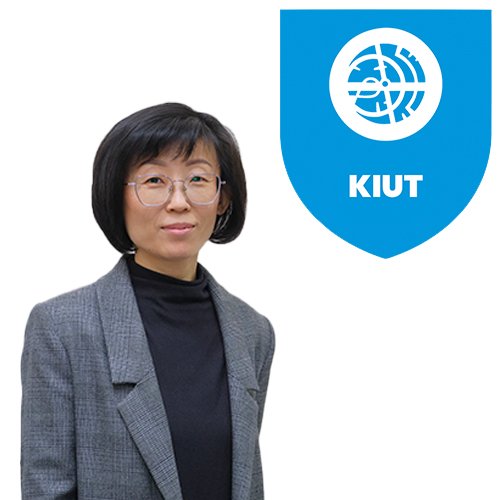
Yugay Viktoria
Teacher
Research Interests: Comparative linguistics and translation techniques Research Topic: A comparative study of derivational affixes in the Korean and Russian languages Biography In 2003, I graduated with a Bachelor's degree in Commercial Affairs, majoring in Marketing, from the Tashkent State University of Economics. In 2020, I completed a professional retraining program at the Institute for Retraining and Advanced Training of Managers and Specialists of the National Education System named after A. Avloni, specializing as a Teacher of the Korean Language. Since 2019, I have been working at the Tashkent International University of Kimyo (TMUK). For 2.5 years, I served as the Chief Specialist of the Korean Culture Center. After the center was closed, I was temporarily transferred to the Dean’s Office of the Faculty of Korean Philology as a Dispatcher. Starting from 2025, I continue my career at TMUK as a Korean Language Instructor. On April 6, 2024, I obtained the TOPIK Level 5 International Certificate in Korean language proficiency. In 2024, I enrolled in the Master’s Program in Linguistics (Korean Language) at the Tashkent International University of Kimyo.
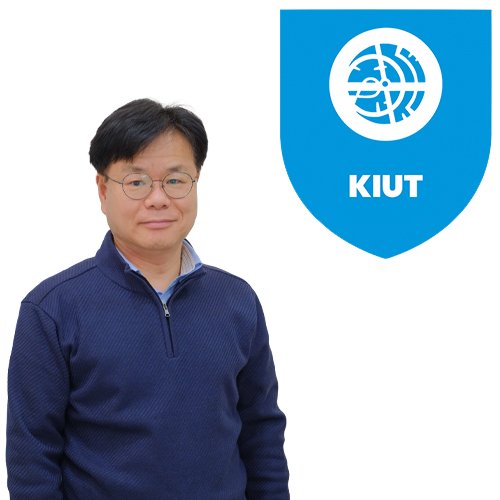
Ryu Yeongseok
Professor
Research interests: Korean Language Education as a Foreign Language, Korean Language Pedagogy Scientific branch: Korean Language Education for General Purposes and Specific Purposes, Korean Language Education for Migrant Workers, Korean Proficiency Test (TOPIK) Biography Since 2024, he has been working at Kimyo International University in Tashkent. Ph.D. in Korean Language Education. From September 2023 to August 2024, he taught Korean language general education and Korean language major courses at the Department of Korean Language at Korea International University in Fergana. From August 2005 to August 2023, he served as a Korean language and culture instructor at Korean Language Institute of Sun Moon University, Republic of Korea. During this tenure, he also held the position of program coordinator, overseeing Korean-language education, student advising, and comprehensive management for Korean Government Scholarship Program (GKS) recipients from more than 140 countries.From March 2007 to August 2007, he taught Korean language and Korean culture at the State University of Malang in Indonesia. From August 2011 to December 2013, he taught major courses in Korean as a Foreign Language to pre-service Korean language teachers at the Lifelong Education Center of Sun Moon University. From March 2017 to December 2022, he taught Korean Language Education Practicum at NewM Cyber Lifelong Education Center in Seoul. Additionally, from November 2013 to April 2015, he served as a scoring committee member for the Test of Proficiency in Korean (TOPIK). He has presented several academic papers, including “A Study on Designing a Korean Language Curriculum for Migrant Workers” (Language and Culture, Vol. 4, No. 3) and “A Study on Developing Self-Study Korean Textbooks for Migrant Workers” (Sun Moon Korean Language Education, Issue 2), in addition to six other research articles. He is the author of Sun Moon Korean Beginner Listening (2018, Sotong, co-authored) and Intermediate Korean Reading for TOPIK Preparation (2017, Let’s Book, co-authored).
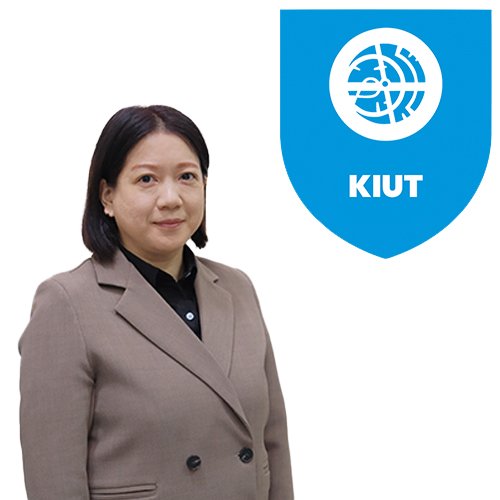
Jung Yoojin
Senior Lecturer
Research interests: Contrastive Linguistics(Korean-Russian), Korean Culture, Korean Pronunciation, Korean Teaching Methodologies Scientific branch: Phonology: A Contrastive Analysis of Korean and Russian Phonetics Biography Since 2022, Jung Yoojin has been working in the Department of Korean Language at Kimyo International University in Tashkent. She teaches courses such as “Advanced Korean Reading and Writing” and “Understanding Korean Politics and Economics”, and has previously taught courses including “Reading Korean Films”, “Korean Pronunciation Education”, and “Korean Teaching Methodologies”. She earned a Bachelor’s degree in Russian Language and Literature from Kyungpook National University and a Master of Arts in International Studies, specializing in Russia, from Hanyang University. Through her research on the CIS region, she explored international exchange and cooperation with Korea. She also completed the Korean as a Foreign Language teacher training program at the Institute of Language Research and Education, Yonsei University, and received a Bachelor of Arts in Korean Linguistics as a Foreign Language from the National Institute for Lifelong Education. In addition, she works as a lecturer of Korean at the Korean Education Center in Tashkent, supporting students’ preparation for Korean proficiency exams such as TOPIK. She participated in the 40-hour master class “2024 Korean Language Teacher Capacity Building Training” and has given presentations on “Learning Korean Language and Culture through Korean Dramas” at both the Korean Education Center and Kimyo International University, Tashkent.
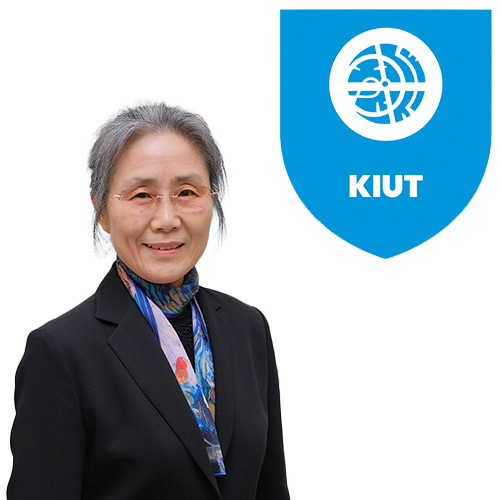
Paek Kumnan
Professor
Research interests: Comparative analysis of grammatical structures in Uzbek and Korean that are prone to errors. Research Field: Teaching Uzbek as a foreign language for Korean learners. Biography: Since October 2018, she has been working at the Department of Korean Language at Kimyo International University in Tashkent (KIUT). She teaches the courses “Discourse and Composition,” “Korean Grammar Education,” “Discourse and Conversation,” and “ Teaching Method of Understanding.” She earned her Master’s degree in Uzbek Language and Literature from the Alisher Navoiy Tashkent State University of Uzbek Language and Literature. Her thesis was devoted to “Comparative Methodology of Teaching Uzbek and Korean Grammar in Language Education.” She also earned her Bachelor’s degree from Anyang university in the Republic of Korea and completed the “Korean Language Teaching Program for International Students” at Chonbuk National University. From 2001 to 2007, she worked as a lecturer in the Department of Korean Language at the Samarkand State Institute of Foreign Languages. In 2008–2009 and again in 2015–2016, she taught Korean as a “mother tongue” at the Saturday Korean School in Tashkent. From 2015 to 2018, she taught Korean at the Education Center under the Embassy of the Republic of Korea in Uzbekistan. From 2017 to 2025, she worked as a lecturer in the Department of Oriental Philology (Korean Language) at the Uzbekistan State University of World Languages.